Source hesperidin powder for Agriculture, Medicine, and Food
Find 30 listings for hesperidin powder from verified suppliers. Compare specifications including purity, appearance, and certifications like FDA and ISO to match your needs for agriculture, medicine, and food applications.
Key considerations
Products List


Comprehensive Sourcing Guide
Strategic Sourcing Guide for Hesperidin Powder Procurement
Understanding Product Specifications and Chemical Identity
When initiating a procurement strategy for hesperidin powder, the primary objective is to establish a precise definition of the material to ensure it meets the specific requirements of your production line. The core keyword, hesperidin, refers to a specific flavonoid glycoside with a distinct chemical profile. Based on available product data, the substance is identified by the CAS No. 520-26-3 and the molecular formula C28H34O15. The molecular weight is recorded at 610.56100, a critical parameter for stoichiometric calculations in pharmaceutical or food-grade manufacturing.
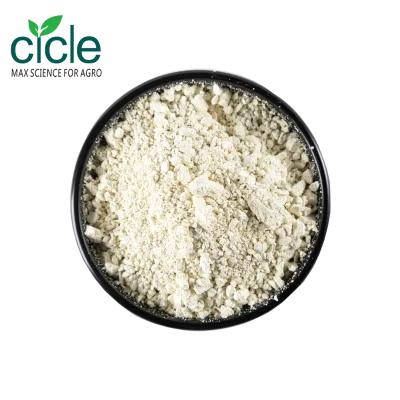
The physical appearance of the raw material is a vital first indicator of quality. In the current market, hesperidin is frequently observed as a light yellow powder. However, buyers must remain vigilant as related citrus extracts or derivatives, such as Neohesperidine Dihydrochalcone Powder, may present as off-white or brown-yellow fine powders. Confusing these variants can lead to formulation errors. The product is often sourced from the original sources of sweet oranges and lemons of Citrus, which dictates the botanical origin and potential traceability requirements.
Purity is a non-negotiable specification for high-grade applications. Market listings indicate a standard purity of 99% for specific batches, while other citrus extract grades may be listed with standards of 90% or 95%. The loss on drying parameter is another critical quality attribute, with observed specifications requiring the moisture content to be less than or equal to 5.0%. This ensures the stability of the powder during storage and prevents microbial growth. Buyers should verify that the supplier provides a Certificate of Analysis (CoA) that explicitly confirms these physical and chemical parameters before placing a bulk order.
Compliance, Certification, and Regulatory Alignment
Navigating the regulatory landscape is essential for importing hesperidin powder, particularly when the intended application involves food, medicine, or health care products. The product data highlights a robust set of certifications that suppliers may possess, including HACCP, FDA, ISO, BRC, and RoHS. These certifications serve as evidence that the manufacturing facility adheres to international safety and quality management systems. For instance, HACCP (Hazard Analysis and Critical Control Points) is crucial for food-grade applications, while FDA registration is often a prerequisite for entering the United States market.
In addition to general quality certifications, specific dietary and religious standards are frequently requested. Some product listings mention ISO9001, Halal, and Kosher certificates. The presence of these certifications can significantly expand the potential market for your final product. However, buyers must verify the validity of these claims directly with the supplier or through third-party audit reports, as the presence of a certification on a product page does not guarantee that every batch is covered.
The classification of the product also influences regulatory compliance. Hesperidin is categorized under Agrochemical Intermediates in some contexts, yet it is simultaneously listed for applications in Medicine, Health Care Products, and Food. This dual nature requires a careful review of the regulatory framework in the destination country. For example, if the product is intended for use as a food additive, the supplier must provide documentation proving the material meets the specific food-grade standards of the importing region. The EINECS No. 208-288-1 is a standard identifier used in the European Union, and its presence on documentation confirms the substance is registered for industrial use within that jurisdiction.
Cost Drivers and Pricing Dynamics
The pricing of hesperidin powder is influenced by a complex interplay of factors, including purity levels, certification status, and packaging requirements. The observed price range in the market spans from $1 to $250 per unit, a wide variance that reflects differences in product grade and order volume. High-purity grades (99%) typically command a premium over lower-grade extracts (90-95%). Furthermore, the cost is heavily dependent on the Minimum Order Quantity (MOQ). The observed MOQ range is between 1 and 1000 units, suggesting that small-scale buyers may face higher per-unit costs, while bulk purchasers can leverage economies of scale.
Packaging specifications also play a significant role in the final landed cost. Standard packaging often includes 1kg aluminum foil bags or 25kg drums. The single package size is frequently listed as 12x15x18 cm for smaller units, while bulk drums may require larger dimensions such as 40x40x45 cm. The single gross weight is noted as 2.000 kg for smaller packages, which affects shipping logistics and freight charges. Buyers should request a detailed breakdown of costs, separating the product price from packaging, handling, and shipping fees to understand the true cost of goods sold.
Customization is another factor that can impact pricing. Suppliers offering customization services for packaging or specific purity levels may charge additional fees. The availability of samples, typically ranging from 10g to 20g, is often free or low-cost, serving as a preliminary step before committing to a larger purchase. However, the cost of shipping samples should be factored into the initial budget. It is advisable to compare the total cost of ownership, including potential tariffs and import duties, rather than focusing solely on the ex-works price.
Typical Applications and Formulation Compatibility
Hesperidin powder exhibits a versatile range of applications, making it a valuable ingredient for diverse industries. The primary application sectors include Agriculture, Medicine, Health Care Products, and Food. In the agricultural sector, it is utilized as an agrochemical intermediate, potentially serving as a precursor for biopesticides or plant growth regulators. The specific application form can vary widely, including capsules, tablets, paste, suppositories, lotions, and injections. This versatility requires buyers to ensure the powder is compatible with their specific formulation processes.
For the food and beverage industry, hesperidin is often used as a food additive. The product is noted to be 100% water-soluble, a property that enhances its utility in liquid formulations and beverages. The shelf life of the product is generally two years, provided it is stored in a cool, dry place. This storage requirement is critical for maintaining the stability and efficacy of the compound over time. In the health care sector, the material is used in the production of supplements and functional foods, where its antioxidant properties are leveraged for consumer health benefits.
The application method is also a consideration. The assay methods available for testing the product include UV, HPLC, GPC, and HPLC-MS. These methods allow for precise quantification of the active ingredient, ensuring that the final product meets the labeled potency. Buyers should verify that their internal quality control labs or third-party testing facilities are equipped to utilize these assay methods. The compatibility of the powder with other ingredients in a formulation should be tested during the development phase to prevent issues such as precipitation or degradation.
Supplier Evaluation and Sourcing Strategy
Selecting the right supplier is a critical step in the procurement process. The origin of the product is a key factor, with major production hubs located in Jiangsu and Shaanxi, China. These regions are known for their extensive botanical extraction capabilities. Buyers should evaluate suppliers based on their ability to provide consistent quality and reliable delivery. The availability of samples is a strong indicator of a supplier's confidence in their product and their willingness to engage in a transparent business relationship.
When evaluating potential suppliers, it is essential to review their production capabilities and quality control systems. The product data indicates that the material is available in various forms, including powder and specific models like WG-Neohesperidine Dihydrochalcone Powder or YT0777. Buyers should ensure that the supplier can consistently produce the specific model and grade required. The customization availability suggests that suppliers are flexible, but this flexibility should not come at the expense of quality consistency.
Communication and responsiveness are also vital metrics for supplier evaluation. A reliable supplier should be able to provide detailed technical data sheets, CoAs, and certification documents promptly. The ability to handle inquiries regarding the Latin name (Poncirus Trifoliata) and other botanical details indicates a deep understanding of the product. Buyers should prioritize suppliers who demonstrate a commitment to transparency and are willing to undergo audits or provide references from other clients.
Quality Control and Long-Term Procurement Considerations
Establishing a robust quality control protocol is essential for maintaining the integrity of the hesperidin supply chain. The standard assay methods, such as HPLC and UV, should be employed to verify the purity and identity of each batch. The loss on drying specification of ≤5.0% must be consistently met to prevent moisture-related degradation. Regular testing of incoming materials against these standards ensures that the product remains within the specified parameters throughout its shelf life.
Long-term procurement considerations involve building a sustainable relationship with suppliers. This includes negotiating favorable terms for volume discounts, securing supply chain continuity, and establishing clear communication channels for addressing any quality issues. The shelf life of two years provides a window for inventory management, but buyers should implement a first-in, first-out (FIFO) system to minimize the risk of product expiration.
Furthermore, buyers should consider the environmental and ethical implications of their sourcing decisions. Certifications such as Halal and Kosher not only open up new markets but also reflect a commitment to ethical sourcing practices. The use of sustainable agricultural practices in the cultivation of citrus fruits can also be a differentiator for suppliers. By prioritizing suppliers who adhere to high environmental and social standards, buyers can enhance their brand reputation and ensure long-term supply chain resilience.
Comparative Analysis of Product Variants
To assist buyers in making informed decisions, the following table compares key attributes of different hesperidin-related products found in the market. This comparison highlights the variations in appearance, purity, and certification that buyers must consider.
| Attribute | Hesperidin (Standard) | Citrus Extract | Neohesperidine Dihydrochalcone |
|---|---|---|---|
| Appearance | Light Yellow Powder | Off-White Powder | Brown Yellow Fine Powder |
| Purity/Standard | 99% | 98% | 90% / 95% |
| CAS No. | 520-26-3 | N/A | N/A |
| Primary Application | Medicine, Food, Agrochemical | Food Additive | Health Food, Healthcare |
| Certifications | HACCP, FDA, ISO, BRC | ISO9001, Halal, Kosher | HACCP, FDA, ISO, BRC |
| Solubility | Water Soluble | N/A | 100% Water Soluble |
| Origin | Jiangsu, China | Shaanxi, China | China |
This table underscores the importance of precise specification matching. While all three products are derived from citrus sources, their physical properties and intended applications differ significantly. Buyers must ensure that the selected variant aligns with their specific product requirements to avoid formulation failures or regulatory non-compliance. By carefully analyzing these attributes, procurement professionals can optimize their sourcing strategy and secure high-quality hesperidin powder for their operations.
FAQs
What is the purity level of hesperidin powder?
The standard purity level is 99% for specific batches, while other grades may range from 90% to 95%. Buyers should verify the exact percentage on the Certificate of Analysis before placing an order.
Which certifications do hesperidin suppliers typically hold?
Suppliers often hold HACCP, FDA, ISO, BRC, and RoHS certifications. Some listings also include Halal and Kosher certificates, which are essential for specific dietary and religious market requirements.
How is hesperidin powder packaged for shipping?
Standard packaging includes 1kg aluminum foil bags or 25kg drums. Smaller units measure 12x15x18 cm, while bulk drums may require larger dimensions like 40x40x45 cm for efficient transport.
Can I obtain a free sample of hesperidin powder?
Free samples are available, typically ranging from 10g to 20g. Buyers should confirm shipping costs for these samples as they are often separate from the product price.
What are the primary applications for hesperidin powder?
It is used in agriculture, medicine, health care products, and as a food additive. The powder is compatible with various forms including capsules, tablets, lotions, and injections.
Where is hesperidin powder typically manufactured?
Major production hubs are located in Jiangsu and Shaanxi, China. These regions are known for extensive botanical extraction capabilities and supply the majority of global market inventory.